The kid participated in a mini-marathon to benefit charity this morning. She actually took a spill on the course, which wasn't so fun, but still qualified for a souvenir medal and more importantly, yogurt and bagels and some mint hot chocolate afterwards.

Saturday, December 04, 2010

Friday, December 03, 2010
the deathly hallows
Not enough Snape!

Now that I've got that out of my system ... I've been thinking about this film, a lot more than I thought about the bloated mess of a book that it is based on. It's impossible to not have all the things that bothered me about the book come rushing back. I love Harry Potter the character. The first book was wonderful. The following books in the series got progressively less good. They got longer and longer. And longer. The phenomenon was so out of control that apparently no one was brave enough suggest to J.K. Rowling that she should cut some things out, or to edit them. By the time we reached the last book
 , Rowling's meandering prose got the best of her and the rest of us.
It seems mean to slam the books when I love the world and characters she created, but I can't help but tell it like I see it. Because the films by their very nature have to be shorter—it's not possible to fit in all of Rowling's wizarding world's details and eccentricities—I have always thought that they were more enjoyable than the books. True, some wonderful and creative details get lost, but so many other things that Rowling went on and on about—house elf rights, a few too many quidditch matches, the brutal deaths of major characters which became less shocking and more de rigeur as the series went on—are not missed by their omission.
I liked David Yates's Half-Blood Prince, and I'm sure he could have pulled off one (long) movie for Deathly Hallows, but
This movie is different from any of the other Harry Potter films, indeed any other film these days in that it reminded me a bit of the old Flash Gordon serials my dad liked to watch on T.V., but without the "story so far" intro. Deathly Hallows starts off with a bang and ends with a flash, with no explanations, or exposition, just go, go, go. I was fine with that, but it was clearly a film for the initiated. If this was someone's first Harry Potter film, they wouldn't have a clue what was happening or who was who. If they hadn't read the book or seen the last movie in a while, they might have trouble catching up. Even for someone like myself who has read all the books and seen the movies I felt a bit at sea sometimes, especially when scenes depicting Harry's mental connection to Voldemort tried to advance the story. Rapidly. Of course the break-neck pace was again trying to fit all of Rowling's plot points in. It could not have been an easy job at all to attempt adapting such a tome.
Yates & Co. were able to escape the tyranny of Rowling's narrative in the visuals. Deathly Hallows may be the best-looking Harry Potter film so far, and not just because its leading trio have grown up so gracefully (but they have.) The attention to detail in costumes and set design was wonderful. Maybe making two movies gave the filmmakers the extra incentive or money to really make things look right. Or maybe the state-of-the-art has just gotten that much better. Or maybe, knowing that this is it, they pulled out all the stops. One of my favorite sets was Grimmauld Place, which Harry inherited from his godfather Sirius Black. The peeling paint, the furniture, the bedrooms, had all the quirky atmosphere of Rowlng at her most descriptive. The special effects—the dis-asparating, the Death Eaters and especially the two house elves, Dobby and Kreacher, were amazing. I saw Deathly Hallows in IMAX and the settings and scenery added to the experience in a way that I don't remember from other Potter films, except maybe some exterior shots in Alfonso Cuaron's Prisoner of Azkaban.
There were other moments in the film that added a depth that was never there in the source. An opening scene of Hermione erasing her parents' memory of her existence for their protection was truly moving. And a later scene when she hesitates to use the same spell on a Death Eater who has tried to kill the three young wizards is doubly touching—emotions an actor is able to convey that tons of words by Rowling never could. Another nice scene occurs between Harry and Hermione while they are "camping" in the woods. This was a particularly long, and let's face it—boring, section of the book. The film jettisons a lot of the endless bickering and hand-wringing and adds a scene where Harry asks Hermione to dance. It's a wonderful moment. Daniel Radcliffe and Emma Watson have always had crazy chemistry and this scene pays tribute to that, while also suggesting that Rupert Grint's Ron's jealous fears may not have been completely unfounded. It's actually very nice to see a bit of a love triangle, not just for prurient reasons, but because it would be more true to the situation, more true to their age.
Another weakness of the seventh book for me was that such a big deal was made of the horcruxes in the sixth book, Half-Blood Prince. Everyone was speculating about them while waiting for the final book to come out. When Deathly Hallows was finally published the horcruxes seemed to take a back seat to even more magical toys—the Hallows. More new stuff? Rowling just couldn't help herself from cramming everything in. Deathly Hallows, Pt. 1 keeps its focus on the horcruxes, only introducing the Hallows near the film's end, which works quite well as a lead-in to Pt. 2. By this summer when we are ready for the series' conclusion, maybe the Hallows won't seem like such an afterthought.

The strongest scenes in the movie were when Harry and his pals were plopped in London and had to function without the familiar Hogwarts, parents, or friends to help them and frame their magical practice. A fight scene in a cafe was great. Not so great, as I mentioned before, was the camping trip. But the film gave it its best shot by making that middle section go by faster, adding the aforementioned pas-de-deux, and also especially a scene where a "charmed" Hermione is almost discovered by Death Eaters—delightfully creepy.
I did really like Deathly Hallows. It's more of a horror/action-adventure than any of the other Harry Potter films, but there were also moments when I laughed out loud. I cried at the same point in the film as I did in the book—when one beloved character died—possibly the most poignant and least gratuitous death in the entire series. But I can't shake the feeling that I walked into the middle of a story and didn't get to hear the punchline. It holds up as a piece of the puzzle, but could it hold up as a stand-alone film? Will it ever have to?

Now that I've got that out of my system ... I've been thinking about this film, a lot more than I thought about the bloated mess of a book that it is based on. It's impossible to not have all the things that bothered me about the book come rushing back. I love Harry Potter the character. The first book
was wonderful. The following books in the series got progressively less good. They got longer and longer. And longer. The phenomenon was so out of control that apparently no one was brave enough suggest to J.K. Rowling that she should cut some things out, or to edit them. By the time we reached the last book, Rowling's meandering prose got the best of her and the rest of us.... Rowling stated that she could not change the ending even if she wanted. "These books have been plotted for such a long time, and for six books now, that they're all leading a certain direction. So, I really can't." She also commented that the final volume related closely to the previous book in the series, Harry Potter and the Half-Blood Prince, "almost as though they are two halves of the same novel." She has said that the last chapter of the book was written "in something like 1990", as part of her earliest work on the series.—WikipediaWeak, weak, weak excuses and reasoning.
It seems mean to slam the books when I love the world and characters she created, but I can't help but tell it like I see it. Because the films by their very nature have to be shorter—it's not possible to fit in all of Rowling's wizarding world's details and eccentricities—I have always thought that they were more enjoyable than the books. True, some wonderful and creative details get lost, but so many other things that Rowling went on and on about—house elf rights, a few too many quidditch matches, the brutal deaths of major characters which became less shocking and more de rigeur as the series went on—are not missed by their omission.
I liked David Yates's Half-Blood Prince, and I'm sure he could have pulled off one (long) movie for Deathly Hallows, but
J. K. Rowling served as executive producer on Philosopher's Stone and was later appointed producer on the two-part Deathly Hallows, along side David Heyman and David Barron.—WikipediaIt's hard to know whether the decision to make two films was driven by the desire to make more money or Rowling's creative involvement. But my guess is that the latter tipped the scales. "Less is more" is definitely not one of her mantras. I don't mind that there will be another film. I love these characters and these actors. But part of me wonders and wishes for the film that might have been if someone could have really chopped up the seventh book. Oh well, leave that to some YouTube auteur.
This movie is different from any of the other Harry Potter films, indeed any other film these days in that it reminded me a bit of the old Flash Gordon
serials my dad liked to watch on T.V., but without the "story so far" intro. Deathly Hallows starts off with a bang and ends with a flash, with no explanations, or exposition, just go, go, go. I was fine with that, but it was clearly a film for the initiated. If this was someone's first Harry Potter film, they wouldn't have a clue what was happening or who was who. If they hadn't read the book or seen the last movie in a while, they might have trouble catching up. Even for someone like myself who has read all the books and seen the movies I felt a bit at sea sometimes, especially when scenes depicting Harry's mental connection to Voldemort tried to advance the story. Rapidly. Of course the break-neck pace was again trying to fit all of Rowling's plot points in. It could not have been an easy job at all to attempt adapting such a tome. Yates & Co. were able to escape the tyranny of Rowling's narrative in the visuals. Deathly Hallows may be the best-looking Harry Potter film so far, and not just because its leading trio have grown up so gracefully (but they have.) The attention to detail in costumes and set design was wonderful. Maybe making two movies gave the filmmakers the extra incentive or money to really make things look right. Or maybe the state-of-the-art has just gotten that much better. Or maybe, knowing that this is it, they pulled out all the stops. One of my favorite sets was Grimmauld Place, which Harry inherited from his godfather Sirius Black. The peeling paint, the furniture, the bedrooms, had all the quirky atmosphere of Rowlng at her most descriptive. The special effects—the dis-asparating, the Death Eaters and especially the two house elves, Dobby and Kreacher, were amazing. I saw Deathly Hallows in IMAX and the settings and scenery added to the experience in a way that I don't remember from other Potter films, except maybe some exterior shots in Alfonso Cuaron's Prisoner of Azkaban.
There were other moments in the film that added a depth that was never there in the source. An opening scene of Hermione erasing her parents' memory of her existence for their protection was truly moving. And a later scene when she hesitates to use the same spell on a Death Eater who has tried to kill the three young wizards is doubly touching—emotions an actor is able to convey that tons of words by Rowling never could. Another nice scene occurs between Harry and Hermione while they are "camping" in the woods. This was a particularly long, and let's face it—boring, section of the book. The film jettisons a lot of the endless bickering and hand-wringing and adds a scene where Harry asks Hermione to dance. It's a wonderful moment. Daniel Radcliffe and Emma Watson have always had crazy chemistry and this scene pays tribute to that, while also suggesting that Rupert Grint's Ron's jealous fears may not have been completely unfounded. It's actually very nice to see a bit of a love triangle, not just for prurient reasons, but because it would be more true to the situation, more true to their age.
Along the same lines is the ever-present theme of adolescence, in whose depiction Rowling has been purposeful in acknowledging her characters' sexualities and not leaving Harry, as she put it, "stuck in a state of permanent pre-pubescence."—WikipediaWhat a load of codswallop, as they might say in Hogsmeade. I'm not sure why Rowling always shied away from any realistic depiction of romance in the series. Any crush or other romantic scenes (and there weren't many) were always clumsy and wordy. I didn't really want to read about teen sex at Hogwarts, but the complete absence of it was strange. The movies have been much better at keeping it real in this regard.
Another weakness of the seventh book for me was that such a big deal was made of the horcruxes in the sixth book, Half-Blood Prince. Everyone was speculating about them while waiting for the final book to come out. When Deathly Hallows was finally published the horcruxes seemed to take a back seat to even more magical toys—the Hallows. More new stuff? Rowling just couldn't help herself from cramming everything in. Deathly Hallows, Pt. 1 keeps its focus on the horcruxes, only introducing the Hallows near the film's end, which works quite well as a lead-in to Pt. 2. By this summer when we are ready for the series' conclusion, maybe the Hallows won't seem like such an afterthought.

The strongest scenes in the movie were when Harry and his pals were plopped in London and had to function without the familiar Hogwarts, parents, or friends to help them and frame their magical practice. A fight scene in a cafe was great. Not so great, as I mentioned before, was the camping trip. But the film gave it its best shot by making that middle section go by faster, adding the aforementioned pas-de-deux, and also especially a scene where a "charmed" Hermione is almost discovered by Death Eaters—delightfully creepy.
I did really like Deathly Hallows. It's more of a horror/action-adventure than any of the other Harry Potter films, but there were also moments when I laughed out loud. I cried at the same point in the film as I did in the book—when one beloved character died—possibly the most poignant and least gratuitous death in the entire series. But I can't shake the feeling that I walked into the middle of a story and didn't get to hear the punchline. It holds up as a piece of the puzzle, but could it hold up as a stand-alone film? Will it ever have to?
Thursday, December 02, 2010
coco rico
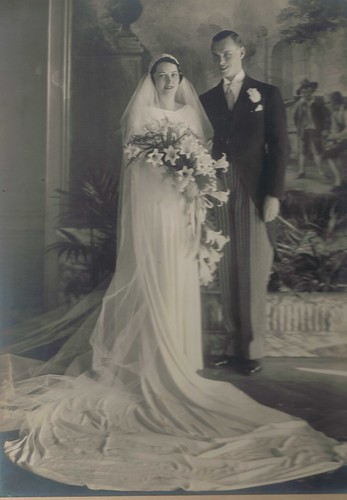
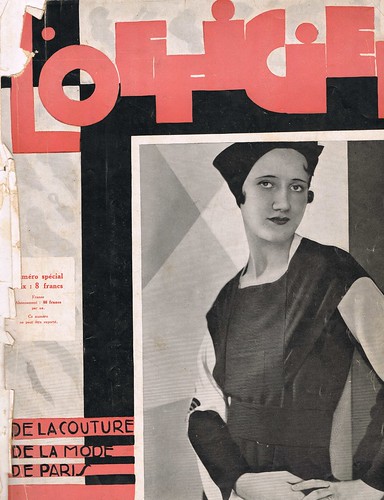
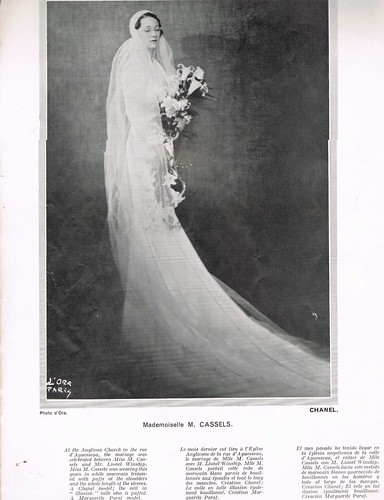
Sneakaloo's review of Coco Before Chanel prompted me to check out the film. I have to say, avant revue, that I have never been a huge fan of what has become to be known as Chanel's signature style—boxy, short jacket suits in wool jersey, trimmed with large braid and accessorized by over-sized pearls or similar rope jewelry and large brooches. My grandmother, who met my grandfather while she was living in Paris in the thirties and attending the interior design program of Parsons School of Design, actually had a Chanel wedding gown. It was simple, elegant and beautiful—a lot like the simple yet elegant dress shown in the film that Coco asks a tailor to put together for her so that she can go out dancing—which may have been Chanel's first "little black dress."
The movie was interesting for me because it wasn't exactly a success story, although Chanel, as we all know, not only became successful, but a major influence in women's fashion which has yet to be rivaled. It was fascinating in how it depicted the strict social structure of French society and how that may have led to Coco's life and art decisions.
She couldn't afford to get to Paris on her own or on her musical "talent," so she made a hard, practical decision to hook up with a man who could help, Étienne Balsan. Her relationship with Balsan was complex. At times it was clear he thought of her as a bit of fluff, a weekend diversion, and she thought of him as a convenient place to stay near Paris. But at other times they seemed to have a growing affection for one another. He appreciated her individuality, even if he didn't fully understand her, and she came to treat him as a true friend. Through Balsan she met Arthur 'Boy' Capel. He was apparently the love of he life, although it is also evident that for quite a while both men share a mistress. It's all very French and very sophisticated and somehow still shocking—these sorts of arrangements are rarely depicted in American films.
According to the movie, even while living in a chateau outside Paris with Balsan, Coco could not afford nice clothes. Balsan kept her well, as long as she stayed in her room, but he didn't take her anywhere with him or buy her any clothes—he felt she didn't fit in with his class, his friends. She put up for it for a while and then raided his closet—full of tons of beautifully made shirts. She uses her sewing skills to adorn and improve her plain dresses with his collars and sleeves. Coco disdained corsets and wore loosely fitting dresses—some called them shapeless, but others could see that she was forming her own unique style. She really starts to get some notice with some hats that she made for some of Balsan's lady friends. We can see the light bulb start to flicker. Trained as a seamstress, she decides that she could make a living, an independent one, making hats, and eventually, clothes. This all happened around 1910. Considering how women were dressing at the time, Coco's looks must have seemed truly avant-garde.
Audrey Tatou is a quite serious Coco in Coco before Chanel. When Coco does have the occasion to smile, you feel lifted, a sense of relief, and realize how hard an effort it was for her to circulate among the leisure classes. Through sheer individuality she manages to hold her own. She is staked by 'Boy' Capel in her first hat and dress shops. By the 1920s she was firmly established as a couturiere in Paris. She must have been the very height of fashion when my Grandmother lived in Paris. I have so many photos of my grandmother from that time, and she always looks fabulous. Coco and my grandmother were both definitely a part of that style, a part of that très, très chic era.

A gorgeous couple
The movie was interesting for me because it wasn't exactly a success story, although Chanel, as we all know, not only became successful, but a major influence in women's fashion which has yet to be rivaled. It was fascinating in how it depicted the strict social structure of French society and how that may have led to Coco's life and art decisions.
She couldn't afford to get to Paris on her own or on her musical "talent," so she made a hard, practical decision to hook up with a man who could help, Étienne Balsan. Her relationship with Balsan was complex. At times it was clear he thought of her as a bit of fluff, a weekend diversion, and she thought of him as a convenient place to stay near Paris. But at other times they seemed to have a growing affection for one another. He appreciated her individuality, even if he didn't fully understand her, and she came to treat him as a true friend. Through Balsan she met Arthur 'Boy' Capel. He was apparently the love of he life, although it is also evident that for quite a while both men share a mistress. It's all very French and very sophisticated and somehow still shocking—these sorts of arrangements are rarely depicted in American films.
French fashion magazine L'Officiel, which featured Grand-Mère in her wedding gown
According to the movie, even while living in a chateau outside Paris with Balsan, Coco could not afford nice clothes. Balsan kept her well, as long as she stayed in her room, but he didn't take her anywhere with him or buy her any clothes—he felt she didn't fit in with his class, his friends. She put up for it for a while and then raided his closet—full of tons of beautifully made shirts. She uses her sewing skills to adorn and improve her plain dresses with his collars and sleeves. Coco disdained corsets and wore loosely fitting dresses—some called them shapeless, but others could see that she was forming her own unique style. She really starts to get some notice with some hats that she made for some of Balsan's lady friends. We can see the light bulb start to flicker. Trained as a seamstress, she decides that she could make a living, an independent one, making hats, and eventually, clothes. This all happened around 1910. Considering how women were dressing at the time, Coco's looks must have seemed truly avant-garde.
Grand-Mère in L'Officiel
Audrey Tatou is a quite serious Coco in Coco before Chanel. When Coco does have the occasion to smile, you feel lifted, a sense of relief, and realize how hard an effort it was for her to circulate among the leisure classes. Through sheer individuality she manages to hold her own. She is staked by 'Boy' Capel in her first hat and dress shops. By the 1920s she was firmly established as a couturiere in Paris. She must have been the very height of fashion when my Grandmother lived in Paris. I have so many photos of my grandmother from that time, and she always looks fabulous. Coco and my grandmother were both definitely a part of that style, a part of that très, très chic era.
Wednesday, December 01, 2010
it john hurts so good
I first fell in love with John Hurt when he was Caligula in I, Claudius. Kinda weird, huh? Maybe. But he was attractive and repulsive and intimidating and pathetic—it was an amazing performance.
John Hurt became famous with American audiences (he already was in his native Britain) after one of the most memorable (and also terrifying and disgusting) scenes in movie history in Alien, which led to his Oscar-nominated turn as The Elephant Man. Both of these are great performances, and get to what Hurt is always able to convey—an empathy, a vulnerability—whether hidden under tons of rubber make-up or giving virtual birth to an alien. There is always a double-edge to Hurt's roles, a mixture of fragility and steel, sometimes quite lethal.
One of my favorite Hurt movies is Cry of the Penguins, a little-known film about a smart-aleck skirt chaser who ends up studying penguins in the Antarctic in order to impress a girl. He ends up changed, and the filming of the penguins in their natural habitat is right up there with recent crowd favorite March of the Penguins. I also remember Hurt in a PBS miniseries Crime and Punishment, where he played the despicable and pathetic Raskolnikov. It was truly a love/hate to watch the actor as Dostoyevsky's anti-hero. One of my all-time favorites of Hurt's and one of the hippest gangster movies ever, is The Hit, which also stars Terence Stamp and Tim Roth.
Happily for all, as evidenced by his resume on imdb, Hurt works constantly. It would be easy and delightful to construct a John Hurt-athon. A movie buff could keep busily entertained for weeks with such movies as Scandal, Dead Man, The Osterman Weekend, V for Vendetta , Love and Death on Long Island
 , The Field, White Mischief ...
If a lighter mood is called for, one could watch him in Spaceballs (spoofing his role in Alien), or as the Storyteller in Jim Henson's The Storyteller. That series is one of the best things done by Henson & Co. It's a wonderful mix of animation and puppetry and great acting. Besides Hurt, Brenda Blethyn, Miranda Richardson, Jonathan Pryce, Jane Horrocks and Sean Bean also appear. And of course, even the youngest in the house recognize Hurt these days as Mr Ollivander, Harry Potter's inimitable purveyor of wands and owner of "Ollivander's, Makers of Fine Wands since 382 B.C."Even in that small role Hurt is able to convey kindly and creepy, with the slightest inflection. He just makes me smile to watch him, whether his character is being good or very, very bad.
The only downside to Hurt's extensive list of roles is that it's hard to know where to start ... Do I dig out the Potter dvds? The Storyteller ? I, Claudius
 ? A fabulous problem.

John Hurt became famous with American audiences (he already was in his native Britain) after one of the most memorable (and also terrifying and disgusting) scenes in movie history in Alien, which led to his Oscar-nominated turn as The Elephant Man. Both of these are great performances, and get to what Hurt is always able to convey—an empathy, a vulnerability—whether hidden under tons of rubber make-up or giving virtual birth to an alien. There is always a double-edge to Hurt's roles, a mixture of fragility and steel, sometimes quite lethal.
One of my favorite Hurt movies is Cry of the Penguins, a little-known film about a smart-aleck skirt chaser who ends up studying penguins in the Antarctic in order to impress a girl. He ends up changed, and the filming of the penguins in their natural habitat is right up there with recent crowd favorite March of the Penguins. I also remember Hurt in a PBS miniseries Crime and Punishment, where he played the despicable and pathetic Raskolnikov. It was truly a love/hate to watch the actor as Dostoyevsky's anti-hero. One of my all-time favorites of Hurt's and one of the hippest gangster movies ever, is The Hit, which also stars Terence Stamp and Tim Roth.
Happily for all, as evidenced by his resume on imdb, Hurt works constantly. It would be easy and delightful to construct a John Hurt-athon. A movie buff could keep busily entertained for weeks with such movies as Scandal, Dead Man, The Osterman Weekend, V for Vendetta
, Love and Death on Long Island, The Field, White Mischief ...If a lighter mood is called for, one could watch him in Spaceballs (spoofing his role in Alien), or as the Storyteller in Jim Henson's The Storyteller. That series is one of the best things done by Henson & Co. It's a wonderful mix of animation and puppetry and great acting. Besides Hurt, Brenda Blethyn, Miranda Richardson, Jonathan Pryce, Jane Horrocks and Sean Bean also appear. And of course, even the youngest in the house recognize Hurt these days as Mr Ollivander, Harry Potter's inimitable purveyor of wands and owner of "Ollivander's, Makers of Fine Wands since 382 B.C."Even in that small role Hurt is able to convey kindly and creepy, with the slightest inflection. He just makes me smile to watch him, whether his character is being good or very, very bad.
The only downside to Hurt's extensive list of roles is that it's hard to know where to start ... Do I dig out the Potter dvds? The Storyteller
? I, Claudius? A fabulous problem.
Subscribe to:
Comments (Atom)